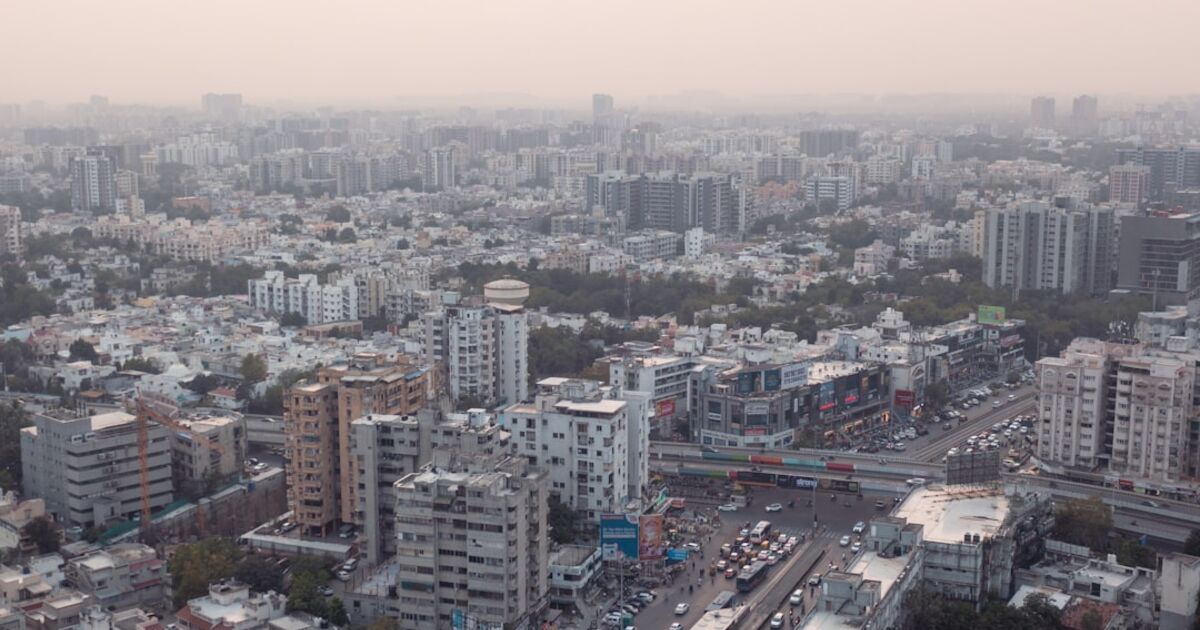
Greater Noida
Infrastructure Projects That Are Reshaping the Greater Noida Market
Few real estate markets in India are being transformed as rapidly — or as fundamentally — as Greater Noida right now. The sheer scale of infrastructure investment pouring into the region is unlike anything the NCR has seen in a generation. We're not talking about one big project. We're talking about six or seven converging catalysts, all hitting at roughly the same time. That combination is what makes Greater Noida genuinely different from the speculative story it was just five years ago.
1. Noida International Airport (Jewar) — The Single Biggest Catalyst
This is the headline. Prime Minister Narendra Modi inaugurated Phase 1 of the Noida International Airport (IATA code: DXN) on March 28, 2026. The DGCA had granted the aerodrome licence on March 6, 2026, with commercial operations — initially domestic routes and cargo — expected to begin within 45 to 60 days of inauguration. The Phase 1 terminal spans 1,01,590 sq metres with 28 aircraft stands, a 3,900-metre runway capable of handling wide-body aircraft, and infrastructure supporting around 150 daily flight movements.
At 12 million passengers per annum in Phase 1, Jewar is designed to complement Delhi's IGI Airport as part of an NCR dual-airport system. The long-term vision is staggering: Phase II targets 30 MPPA by FY31-32, Phase III expands to 50 MPPA by FY36-37, and Phase IV ultimately scales to 70 MPPA by FY40-50, with a total project cost of ₹29,561 crore across all four phases. Developed by Zurich Airport International AG, the project is also targeting carbon net-zero operations, with Tata Power supplying wind and solar energy.
The real estate impact has been direct and measurable. Property values in sectors along the Yamuna Expressway have already recorded 20–30% appreciation over just the past three years. Some plots near airport-linked corridors have seen 84–118% price appreciation in four years alone. Circle rates in Jewar have been revised upward by 70% in response. ANAROCK data shows Sector 150 — directly connected to the airport corridor — has witnessed a 139% rise in average property prices, with rates reaching ₹13,600 per sq ft and average monthly rents climbing 71% to ₹27,300.
A word of caution: As of April 2026, the airport's primary access remains road-based via the Yamuna Expressway. Metro connectivity proposals are still at the DPR and feasibility stage, and construction timelines remain subject to central government approval and funding clearances. Buyers should not price in metro-led convenience just yet.
2. Aqua Line Metro Expansion — Closing the Delhi Gap
The existing Noida Metro Aqua Line runs 29.7 km from Sector 51 to Depot Station in Greater Noida. For years, the critical frustration was the gap between the Aqua Line and Delhi's Blue and Magenta lines — passengers had to walk between Sector 52 and the Blue Line, or between Sector 51 and Botanical Garden on the Magenta Line. That gap is now being plugged.
The UP state cabinet sanctioned the 11.6-km Botanical Garden–Sector 142 extension at an estimated cost of ₹2,254.35 crore in June 2024, to be jointly funded by the Ministry of Housing and Urban Affairs and the Noida Authority. This corridor adds eight new stations — including Sector 96, Sector 44, Sector 105, Sector 93, and others — and will run along the Noida Expressway, connecting directly with the Blue and Magenta Delhi Metro lines. NMRC has commenced topography surveys for the corridor.
Separately, the Aqua Line extension from Sector 51 to Knowledge Park V, approved with a budget of ₹2,991.60 crore, adds 11 new stations and creates a critical interchange hub at Sector 61 with the Delhi Metro Blue Line. Studies indicate that real estate prices in metro-connected sectors — particularly 143, 144, and 150 — are projected to rise 10–15% as these extensions come online.
A longer-term proposal envisions a 35.64-km metro line directly connecting Jewar Airport to Knowledge Park II in Greater Noida. The DPR submitted by DMRC has been forwarded to the UP government. Construction cannot begin until state and central approvals are secured, so this is a 2028-onwards story — not an immediate price driver.
3. FNG Expressway — The Missing Cross-NCR Link
The Faridabad–Noida–Ghaziabad (FNG) Expressway is a 56-km, six-lane highway (expandable to eight lanes) that will finally link three major NCR cities that have had no direct road connection. The expressway runs 28.1 km in Faridabad, 8 km in Noida, and 20 km in Greater Noida. Once complete, the commute from Faridabad to Noida will shrink from nearly an hour to just 20–25 minutes.
The project's most critical engineering element is a 600-metre bridge over the Yamuna River (₹460-crore package) connecting Sector 168 Noida to Faridabad. A 5.6-km elevated road runs through Noida Sectors 98 and 143. The Noida section is roughly 70% complete, though the Faridabad and Ghaziabad stretches still require significant work. Estimated completion is 2027, though delays remain possible.
Sectors along the FNG corridor — particularly Sector 150, Sector 168, Sectors 120–122 in Noida — are already responding to the project's advancement. Sector 150 has been the standout performer, while Sector 168 is seeing strong interest from both residential buyers and corporate office seekers. The expressway will also integrate with the Noida–Greater Noida Expressway, NH-9, NH-19, and provide improved access to Jewar Airport, making it a structural backbone for the entire south-eastern NCR.
4. Noida International Film City — The Employment Engine
In Sector 21 of YEIDA, just 4 km from the Jewar Airport precinct, the Noida International Film City is taking shape — slowly, but with growing momentum. Developed through a public-private partnership between the UP Government (land ownership via YEIDA), filmmaker Boney Kapoor, and Bhutani Group (operating as Bayview Bhutani Film City Pvt. Ltd.), the project spans 1,000 acres in its full vision — making it the second-largest film city in the world after Hyderabad's Ramoji Film City.
Phase 1 covers 230 acres with an investment of ₹1,510 crore. YEIDA approved the layout plan in early 2025 after an initial rejection over green area compliance. The YEIDA–developer agreement signed in June 2024 includes a ₹1.5 lakh/day penalty clause if construction does not begin by June 2025, which provides meaningful accountability. Land levelling and boundary wall work was underway by Q3 2025, with studio foundations targeted for Q1 2026 and the first sound stage aimed for Q4 2026.
The economic multiplier matters to property buyers. The project is projected to create 5–7 lakh direct and indirect jobs, attracting media professionals, production houses like Yash Raj and Dharma Productions, OTT platforms, luxury retail, and hospitality operators. That employment base directly supports residential demand in the sectors surrounding the Yamuna Expressway.
Be realistic about timelines: This project has faced multiple delays since its announcement in 2020. The current eight-year completion estimate for full buildout means buyers banking on a Film City-driven price surge in the next 24 months may be getting ahead of themselves.
5. Greater Noida Data Center Hub — Quietly Significant
Less headline-grabbing but arguably more durable in its impact is the emergence of Greater Noida as UP's primary data center destination. Yotta D1 in the Greater Noida Data Center Park was established with an investment of approximately ₹1,500 crore and was made operational in under 20 months — a remarkable delivery timeline. Adani Enterprises and the Hiranandani Group have also committed investments in data storage and cloud infrastructure in the region.
Data center campuses generate high-density, well-paid technical employment — exactly the kind of workforce that drives premium residential demand in nearby sectors. This is a structural demand driver, not a speculative one. Companies like HCL, Tech Mahindra, Samsung, Foxconn (in partnership with HCL), and Vivo have all signed MoUs with YEIDA for operations in the broader corridor.
6. YEIDA's Industrial Corridor and New Noida
YEIDA is leading the creation of a ₹450-crore high-tech commercial and industrial hub spread over 206 acres near the airport, projected to generate over 31,000 jobs by early 2028. Companies like Havells India have already committed ₹800 crore to set up a 50-acre advanced manufacturing unit here. The Delhi–Mumbai Industrial Corridor (DMIC) Integrated Industrial Township, spanning approximately 747 acres southeast of Greater Noida along the Eastern Peripheral Expressway, is further establishing the region's credentials as a manufacturing and logistics powerhouse.
The Uttar Pradesh government has also approved the "New Noida" development — a planned city to be developed over 15 years near Greater Noida — incorporating industrial, residential, and commercial zones. While this is a 2030s story in terms of habitation, land acquisition and master planning are actively underway, and early-mover landholding activity is already visible in surrounding villages.
What Infrastructure Means for Your Purchase Decision
The infrastructure pipeline is genuinely exceptional in scale and diversity. But the honest assessment is this: most of it is still under construction or at the approval stage. Buyers in the Yamuna Expressway belt and YEIDA sectors are making bets on a 5–10 year horizon, not a 2-year one. The Noida–Greater Noida Expressway corridor is different — infrastructure there is live, metro connectivity is operational, and demand from IT and GCC occupiers is real and current.
| Project | Status (April 2026) | Key Beneficiary Micro-Markets | Price Impact So Far |
|---|---|---|---|
| Noida International Airport (Jewar) | Phase 1 Inaugurated Mar 2026; Commercial ops imminent | Yamuna Expressway, Sector 22D, Jewar, Sector 150 | 20–30% in 3 years; 84–118% in 4 years (plots) |
| Aqua Line Metro Extension (Botanical Garden – Sector 142) | Topography survey underway; ₹2,254 crore sanctioned | Sectors 143, 144, 150, Knowledge Park V | 10–15% projected on completion |
| FNG Expressway (56 km) | Noida stretch ~70% complete; target 2027 | Sectors 150, 168, 120–122, Greater Noida | Double-digit gains in Sectors 150 & 168 |
| Noida International Film City (Sector 21) | Layout approved; land levelling started | YEIDA Sectors 18, 21, Yamuna Expressway | Investor-driven land speculation ongoing |
| Greater Noida Data Center Hub | Yotta D1 operational; Adani & Hiranandani committed | Greater Noida Knowledge Park, Tech Zone | Employment-led residential demand rising |
| DMIC Industrial Township (747 acres) | Active development along Eastern Peripheral Expressway | South-east Greater Noida | Commercial and logistics land premiums rising |
The infrastructure story in Greater Noida is real — but it rewards patience and punishes impatience. Sectors with operational metro and expressway connectivity are safer bets for end-users today. Yamuna Expressway and YEIDA sectors offer higher appreciation potential but carry meaningful execution risk and livability limitations while the city builds out around them.
Price Trends
The table below consolidates indicative data from 99acres, MagicBricks, and portal-aggregated transaction data for key localities in Greater Noida and the Yamuna Expressway corridor.
| Locality | Avg Price (₹/sqft) | 1-Year Change (%) | 3-Year Change (%) | Budget Segment |
|---|---|---|---|---|
| Greater Noida West (Noida Extension) | ₹8,650 | +5.5% | +66.3% | Affordable–Mid |
| Noida Extension (Tech Zone 4 / Bisrakh) | ₹7,800 | +11.4% | +66.0% | Affordable–Mid |
| Pari Chowk / Sector 36 | ₹8,700–₹13,551 | +10–14% | +55–70% | Mid–Premium |
| Sector Zeta 1 & Zeta 2 | ₹8,250 | +12–15% | +146.3% | Mid |
| Alpha 1 & Alpha 2 | ₹9,000–₹11,000 | +8–12% | +50–65% | Mid–Premium |
| Omega 1 & Omega 2 | ₹7,500–₹9,500 | +9–14% | +55–70% | Mid |
| Yamuna Expressway (Sector 22D / Chi Belt) | ₹8,923–₹10,200 | +7–13% | +95–148% | Mid–Premium |
| Knowledge Park (I, II, III) | ₹2,550–₹6,500 | -2 to +5% | +20–40% | Affordable |
| Delta 1 & Delta 2 | ₹9,500–₹12,000 | +10–15% | +80–130% | Premium |
| Eta 2 / Sector near Surajpur | ₹14,450 | +12–18% | +65–80% | Premium |
The fastest-appreciating pockets are clearly the Yamuna Expressway belt (Sector Zeta 1 up 146.3% in 3 years, Block B Sector 20 Yamuna Expressway up 148.9%) and the Delta sectors (Delta 2 up over 242% in five years). These areas benefit directly from airport adjacency, YEIDA industrial plots, and incoming semiconductor and logistics investments. Greater Noida West, while less dramatic on a percentage basis recently, moves the highest absolute volume of transactions in the city and remains the most liquid sub-market.
Worth noting: Knowledge Park areas are not appreciating fast. They house student populations and older stock, and some show slight year-on-year softness. If you buy there for rental yield to student tenants, that's a specific play — not capital appreciation.
Top Localities for Homebuyers
1. Greater Noida West (Noida Extension)
This is where the action is for families and working professionals. Gaur City, Tech Zone 4, and Bisrakh sectors offer large gated townships from developers like Gaurs, Mahagun, and CRC with modern club amenities, sports facilities, and parks. The Aqua Line's nearest station at Gaur City serves daily commuters, and Max Multi Speciality Hospital provides healthcare. Average 2 BHK starts at ₹70 lakh; 3 BHK in the ₹1.0–1.8 crore range. Best for: first-time buyers, young families, IT professionals commuting to Noida.
2. Alpha 1 & Alpha 2 (Greek Sectors)
One of Greater Noida's most established residential belts, Alpha sectors have the widest internal roads in the city, lined with trees and largely complete social infrastructure. The Alpha 1 Aqua Line metro station connects seamlessly to Noida and Delhi. Schools like Delhi Public School and Greater Valley School are nearby, along with Kailash Hospital and Sharda Hospital within 5 km. Prices run ₹9,000–₹11,000 per sq ft. Best for: families wanting a mature, settled community feel with metro access.
3. Pari Chowk Area (Sectors 36, Rho, Omicron)
Pari Chowk sits at the geographic and commercial heart of Greater Noida. It is near the confluence of the Noida-Greater Noida Expressway and Yamuna Expressway, making it the most connected locality in the city. The Grand Venice Mall (a Venice-themed shopping destination) is here, along with Yatharth Hospital and Lotus Valley International School. IGI Airport is about 1 hour away; Jewar Airport about 30–35 minutes. Prices at ₹8,700–₹13,551 per sq ft. Best for: professionals who want central location with premium amenities.
4. Omega 1 & Omega 2
Rising fast as a mid-market hotspot, Omega sectors have seen strong developer interest in the last two years. Close to the Yamuna Expressway, these sectors benefit from proximity to employment zones in the Surajpur Industrial Area and IT parks along the expressway. Yatharth Super Speciality Hospital is located in Omega 1 — a major draw for families. Pricing is still moderate at ₹7,500–₹9,500 per sq ft, making it one of the better value propositions for upgraders. Best for: mid-budget buyers who want newer inventory.
5. Zeta 1 & Zeta 2
Zeta has been a standout performer — up 146% over three years per 99acres data — and still maintains entry-level affordability compared to premium zones. The area has developed rapidly with multiple gated societies, widened roads, and improving social infrastructure. It sits well within the metro catchment area. Best for: investors who also plan to self-occupy within 2–3 years and want both appreciation and livability.
6. Knowledge Park II, III & V
This belt is an education hub housing Sharda University, Delhi Technical Campus, Galgotias University, and GL Bajaj Institute. The Aqua Line metro station at Knowledge Park II makes commuting extremely convenient. Commercial centres like Omaxe Connaught Place Mall and Ansal Plaza are walkable distance. However, the vibe is collegiate — not ideal for families wanting a quiet neighbourhood. Prices are among the lowest in Greater Noida (₹2,550–₹6,500 per sq ft for older stock). Best for: investors targeting student rental income or budget buyers.
7. Delta 1 & Delta 2
Delta sectors represent Greater Noida's aspirational address. Spacious plots, well-kept greenery, and premium residential projects have earned Delta 2 a five-year appreciation of over 242%. Located close to the Buddh International Circuit (Formula 1 venue) and high-end hotels, this area has a distinctly upscale character. It is one of the few places in Greater Noida where luxury villas above ₹3 crore are routinely transacted. Best for: premium buyers, NRIs, and HNIs seeking a permanent address.
8. Yamuna Expressway (Sectors 18, 20, 22D)
These are the speculative frontier zones — relatively underdeveloped today but sitting directly in the airport's gravitational pull. Jewar Airport is 15–25 km away; the proposed Film City is adjacent. Infrastructure is still building out, with metro connectivity pending. Gaur Yamuna City is one of the dominant residential townships here. If you can accept limited daily conveniences for 3–5 years, this belt offers the highest long-term upside. Best for: patient long-horizon investors; not recommended for buyers who need to move in immediately.
Top Localities for Investors
1. Yamuna Expressway Corridor (Sectors 20, 22D, Chi Belt)
Pure upside play. Apartment prices here rose 158% between 2020 and 2025; plot values rose over 536% in the same period. With Jewar Airport operational, an LRT/metro extension planned, and the HCL-Foxconn semiconductor plant confirmed, this corridor is transitioning from speculative to structural. Market projections indicate a further 50–60% price climb over the next 3–4 years. Rental yields are still developing at 2–3%, but capital appreciation potential is unmatched anywhere in NCR. Risk: No metro connectivity yet; infrastructure delivery delays are always a possibility.
2. Sector Zeta 1 (established appreciation track record)
Already proven a 146% 3-year appreciation story and still offers entry at ₹8,250 per sq ft — meaningfully below comparable zones in core Noida. Rental demand from corporates and families is growing. Yields of 2.5–3.5% with strong resale liquidity. Safer than the Yamuna belt for medium-term investors (3–5 year horizon).
3. Greater Noida West / Tech Zone 4
Highest transaction volume in the city means high liquidity — easier to sell or rent. Shahberi and Sector Omicron 3 areas within Greater Noida West clock the highest rental yields at 5.7% and 3.3% respectively, per 99acres rental data. A planned elevated road connecting this area to NH-9 will further reduce congestion. For rental-focused investors, this is the most dependable bet in the city today.
4. Knowledge Park V (metro upcoming)
Currently priced at relatively low levels, Knowledge Park V sits at the proposed terminus of the Aqua Line's next extension phase. Once the line reaches here, a price re-rating is almost certain. Large IT/ITeS development centres are already present. Entry prices today allow a patient investor to get in ahead of the infrastructure premium.
5. Omega 2 / Sector near Jewar Influence Zone
Omega 2 recorded the second-highest appreciation among Greater Noida sectors in the 2022–2025 cycle. Proximity to the Yamuna Expressway puts it within the airport's economic catchment. Commercial leases in Greater Noida are yielding 6–7% in premium segments — commercial plots or mixed-use properties near Omega and the expressway are worth examining for commercial investors alongside residential.
6. Delta 2 (proven luxury appreciation)
With a five-year appreciation of 242%, Delta 2 has outperformed almost every other pocket in Greater Noida. The Buddh International Circuit and premium hotel presence (Radisson Blu, Crowne Plaza nearby) sustain this market. Luxury formats — large floor-plan apartments and independent floors — are especially well-positioned for NRI and HNI buyers who want proven upside in an established address.
Infrastructure & Connectivity
Metro Network
- Noida Aqua Line (Operational): 29.7 km, 21 elevated stations running from Sector 51 (Noida) to Depot Station (Greater Noida), passing through Sector 50, 76, 101, 81, NSEEZ, 83, 137, 142–148, Knowledge Park II, Alpha 1, Delta 1, Pari Chowk, and Depot. Interchange with Delhi Metro Blue Line at Sector 51/52. Opened January 2019.
- Depot to Boraki Extension (Approved, Under Construction in 3 years): 2.6 km, 2 stations (Junpat and Boraki Railway Station). ₹416 crore. Central government approval: July 2025. Target completion: 2028.
- Botanical Garden to Sector 142 (Approved, DPR Stage): 11.56 km, 8 stations including Botanical Garden, Sector 44, Sector 97, 105, 108, 93, and Panchsheel Boys College. ₹2,254 crore. Creates direct interchange with Delhi Metro Blue and Magenta Lines.
- Sector 142 to Jewar Airport (~37 km, Planned): DPR completed. Construction not yet started. This is the most transformative future metro project for property in the airport catchment zone.
Expressways
- Noida-Greater Noida Expressway (25 km): The primary artery linking Greater Noida to Noida and South Delhi. Major IT parks, universities, and residential sectors line this corridor.
- Yamuna Expressway (165 km): Greater Noida to Agra via Mathura. Access to Jewar Airport, Buddh International Circuit, and planned Film City.
- Eastern Peripheral Expressway (135 km, 6 lanes): Links Greater Noida to Ghaziabad, Sonipat, and Palwal. Provides the northern and eastern bypass for heavy freight. New cloverleaf interchange with Yamuna Expressway targeted for mid-2026.
- FNG Expressway (Faridabad-Noida-Ghaziabad): Under construction. Expected to dramatically cut travel time between Greater Noida and Gurugram once complete.
- New 30 km Delhi-Jewar Expressway: Approved. Will create a direct link from Delhi to Jewar Airport bypassing existing congestion.
Airports
- Noida International Airport (Jewar/DXN): Approximately 40 km from Pari Chowk via Yamuna Expressway. Phase 1 operational. Designed for 70+ million passengers annually at full build-out. No direct metro link yet; road via Yamuna Expressway is the primary access.
- Indira Gandhi International Airport (Delhi): Approximately 45 km from Greater Noida centre. Accessible via Noida-Greater Noida Expressway and Delhi Metro Airport Line.
Rail & Bus
- Boraki Railway Station: 11 km from Knowledge Park 2 on the Kalka-Delhi line. The Aqua Line extension will connect directly to Boraki, creating a future multimodal hub.
- Ghaziabad–Jewar RRTS (Planned, 71.1 km): Semi-high-speed rail targeted for completion by 2031.
- UPSRTC Bus Services: Operate from Greater Noida to Delhi, Agra, Lucknow, and other UP cities. ISBT (Kashmere Gate) is reachable in about 90 minutes during off-peak hours.
Government Policies & Regulations
RERA Authority
Greater Noida falls under the Uttar Pradesh Real Estate Regulatory Authority (UP RERA), accessible at up-rera.in. All projects above 500 sq metres or 8 apartments must be registered. UP RERA has one of the more active grievance redressal mechanisms among state RERA bodies — important given Greater Noida's history with stuck projects from certain builders. Always verify the RERA registration number (format: UPRERAPRJ followed by digits) on up-rera.in before booking any under-construction project.
Stamp Duty & Registration Charges (2025)
| Buyer Category | Stamp Duty | Registration Charges |
|---|---|---|
| Male buyer (sole) | 7% | 1% |
| Female buyer (sole) or joint with woman | 7% minus ₹10,000 | 1% |
| Joint (male + male) | 7% | 1% |
Stamp duty is calculated on whichever is higher — the transaction value or the circle rate. Online payment is available through the IGRSUP portal at igrsup.gov.in. For properties up to ₹10 lakh, registration is capped at ₹10,000; for ₹10–20 lakh, it is capped at ₹20,000; above ₹20 lakh, the flat 1% applies.
Key Policy Changes Buyers Must Know
If you're planning to buy a flat in Greater Noida right now, the regulatory landscape has shifted significantly since 2024. Several major policy changes have quietly but meaningfully changed how much you pay upfront, how your property gets registered, and how future supply in the market will be shaped. Here's what every buyer — end-user or investor — needs to understand before signing anything.
1. Stamp Duty Now Payable at Booking, Not Possession
This is the biggest procedural change for homebuyers in recent memory. Greater Noida Authority mandated in late 2024 that buyers must pay stamp duty at the time of flat booking — when you make your initial 10% payment — rather than waiting until possession. Previously, stamp duty was settled only at handover, which was often years away.
Under the new rule, once you pay 10% of the flat's cost, the builder must execute a registered bipartite Agreement to Sell with you, along with the applicable stamp duty. A separate Possession Deed is then signed on ₹100 stamp paper at the time of actual handover. This mirrors similar rules already in place for Noida Authority and YEIDA.
What this means for your budget: stamp duty in Greater Noida stands at 7% for male buyers and attracts a flat ₹10,000 rebate for female buyers, plus a 1% registration fee. On a ₹1 crore flat, you're now paying roughly ₹8 lakh upfront — at booking — rather than near possession. Budget accordingly. Do not assume the stamp duty is a future expense anymore.
There are legitimate concerns around this rule that buyers should not ignore. Developers have flagged that roughly 25% of bookings get cancelled on average, but there is currently no clear policy from the Authority on how stamp duty refunds are processed if you cancel after registration. Buyers buying under-construction properties are particularly exposed — if a builder defaults or the project stalls, you've already registered the property without having received possession. The Authority's answer to these concerns remains pending as of early 2026.
2. Circle Rates Revised for the First Time in Nearly a Decade
Effective April 1, 2025, Greater Noida saw its first substantial circle rate revision in almost a decade. Circle rates are the government's minimum benchmark values for property transactions — they determine what you pay in stamp duty and registration charges.
The revisions are significant: residential circle rates increased by up to 30% across Greater Noida zones, while agricultural land near Jewar — driven by Noida International Airport anticipation — saw proposed hikes of up to 70%. Industrial and commercial zones are seeing increases of 10–15%. The clear message: the government is playing catch-up with the market, and buyers need to factor in meaningfully higher transaction costs when planning their budgets.
What this translates to in real terms: if you were budgeting stamp duty based on older circle rates, you may be undercounting your total acquisition cost by ₹3–6 lakh on a mid-segment flat. Recalculate your total outgo using updated circle rates from the IGRSUP portal (igrsup.gov.in) before finalising any deal.
3. FAR Rules Overhauled — More Supply Coming, Resale Investors Beware
In September 2025, the Uttar Pradesh government approved sweeping changes to Floor Area Ratio (FAR) norms across Noida, Greater Noida, and YEIDA — removing height restrictions and ground coverage limits that had been in place for years. Under the new draft bylaws, FAR limits for group housing projects rise to 3.5, industrial plots to 3, and commercial developments to 4. Previously, buildings were capped at roughly 22–23 floors above ground; that limit has effectively been doubled, allowing towers of up to 44–46 floors.
For end-users, this is largely a positive development — more supply means more housing choices, potentially better pricing over time, and faster project pipelines as unified building bylaws across Noida, Greater Noida, and YEIDA reduce regulatory confusion. Smaller developers can now launch projects on smaller plots, increasing competition.
However, investors buying purely to flip or for short-term capital gains need to think carefully. More vertical supply entering the market on the same plots means existing inventory could face price pressure. As more towers come up in any given sector, the differentiation between projects shrinks, and resale becomes harder unless you're in a well-developed, infrastructure-rich zone. The concern about infrastructure lag is real — more residents, same roads and utilities.
4. RERA Compliance Remains Non-Negotiable
All residential and commercial projects exceeding 500 sq. metres or 8 units must be registered with UP-RERA. Without a valid RERA registration number, a project cannot legally be advertised or sold — and no builder should be collecting more than 10% of the unit cost without a registered sale agreement in place. The UP government reinforced this rule in September 2024, instructing all authorities to enforce it strictly.
The 70% Escrow Rule also remains firmly in place: developers must deposit at least 70% of all buyer collections into a separate escrow account that can only be drawn for construction and land costs of that specific project. This is your financial safety net against fund diversion — a chronic problem with stalled projects across NCR. Before booking, verify the project on up-rera.in. Check not just registration, but also quarterly construction updates and whether the escrow fund is being reported.
5. Leasehold vs. Freehold — Know What You're Actually Buying
This remains a point of confusion for many buyers, especially those new to the Greater Noida market. Almost all property in Greater Noida is leasehold — land is allotted by GNIDA on a 90-year lease. You own the apartment or plot, but GNIDA retains ownership of the underlying land. Every resale of a leasehold property requires an Authority NOC, clearance of dues, and payment of Transfer Memorandum (TM) charges — capped at approximately 1% for group housing in Greater Noida.
A freehold conversion policy has been discussed at length by residents' groups and industry bodies, and there have been in-principle discussions. However, as of early 2026, no operational freehold conversion policy for residential properties in Greater Noida is in effect. Don't let any broker or developer tell you otherwise. Always check the land tenure status on UP-RERA project documents before purchase.
Quick Reference: What Changes Mean for Your Budget
| Policy Change | Impact on Buyer | When It Applies |
|---|---|---|
| Stamp duty at booking (10% stage) | 7% stamp duty + 1% registration payable upfront | All new bookings from late 2024 |
| Circle rate revision (up to 30%) | Higher stamp duty base; transaction costs increase | Effective April 1, 2025 |
| FAR removal / height limit scrapped | More supply; better for end-users, riskier for flippers | Policy approved Sept 2025; implementation ongoing |
| RERA 10% cap enforcement | Registered agreement mandatory before 10% collection | Enforced from Sept 2024 |
| Leasehold tenure (90 years) | TM charges ~1% on resale; Authority NOC required | Applies to all GNIDA land — always has |
| Female buyer rebate on stamp duty | ₹10,000 deduction on total stamp duty payable | Ongoing UP government policy |
One practical note for NRI buyers specifically: the new upfront stamp duty requirement means you'll need to arrange biometrics and registration at or near the time of booking — something that requires physical presence or a properly executed Power of Attorney. Developers have flagged this as a friction point for overseas buyers, so plan ahead if you're purchasing from abroad.
Localities in Greater Noida

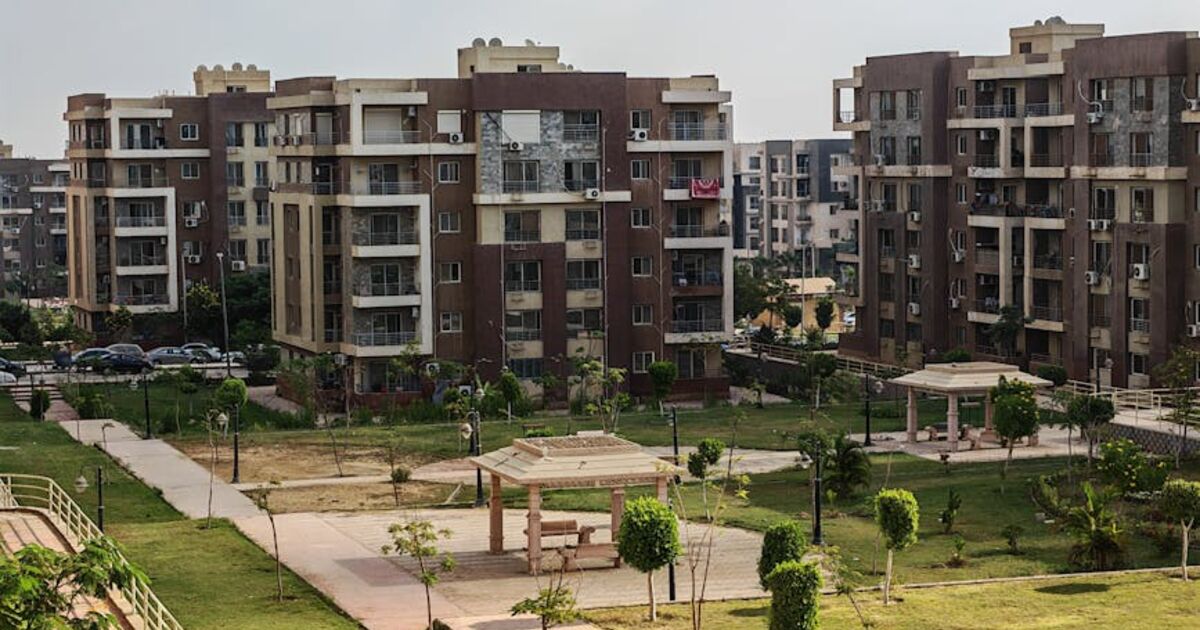
Projects in Greater Noida
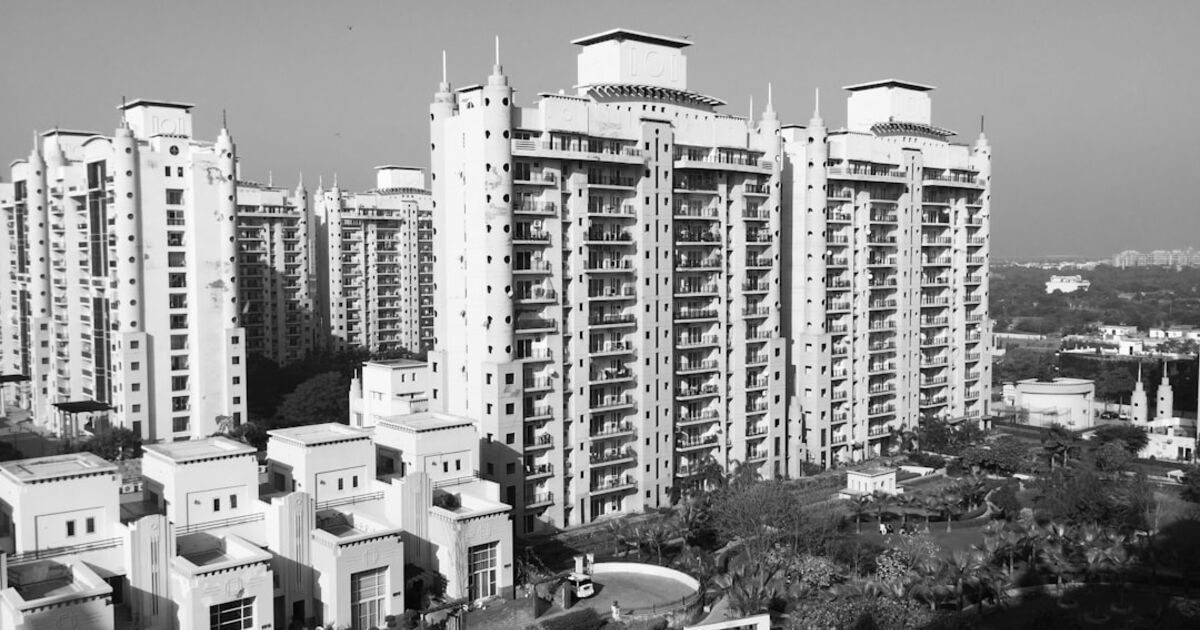
Godrej Arden
₹1.63 Cr - ₹3.10 Cr
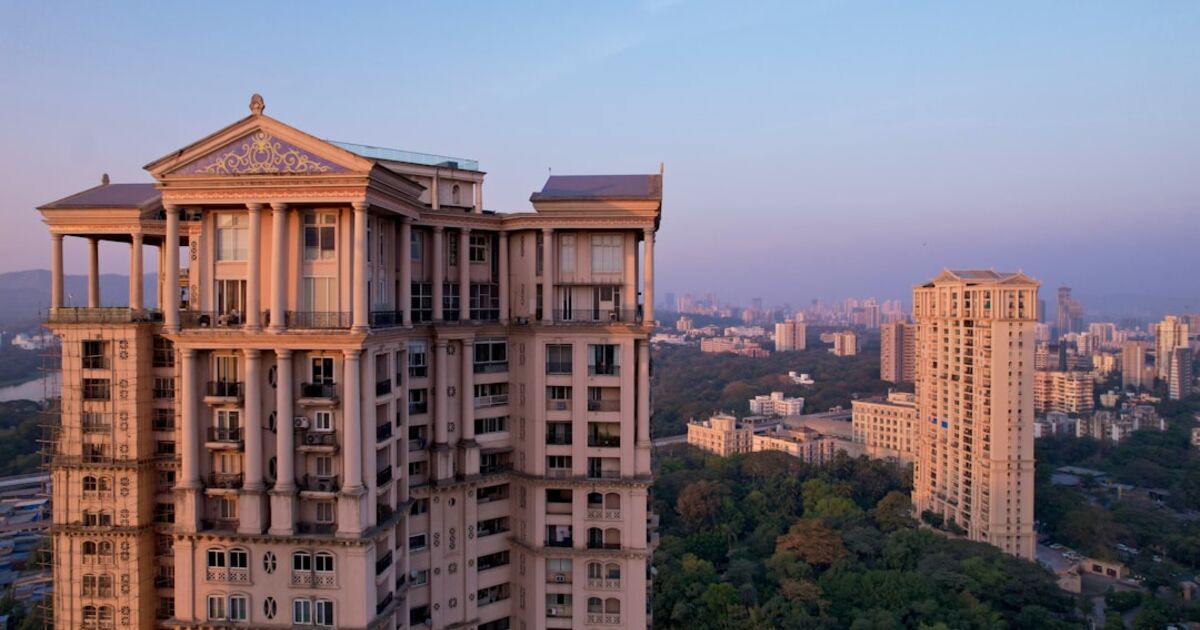
Sobha Rivana
₹2.25 Cr – ₹6.27 Cr+